
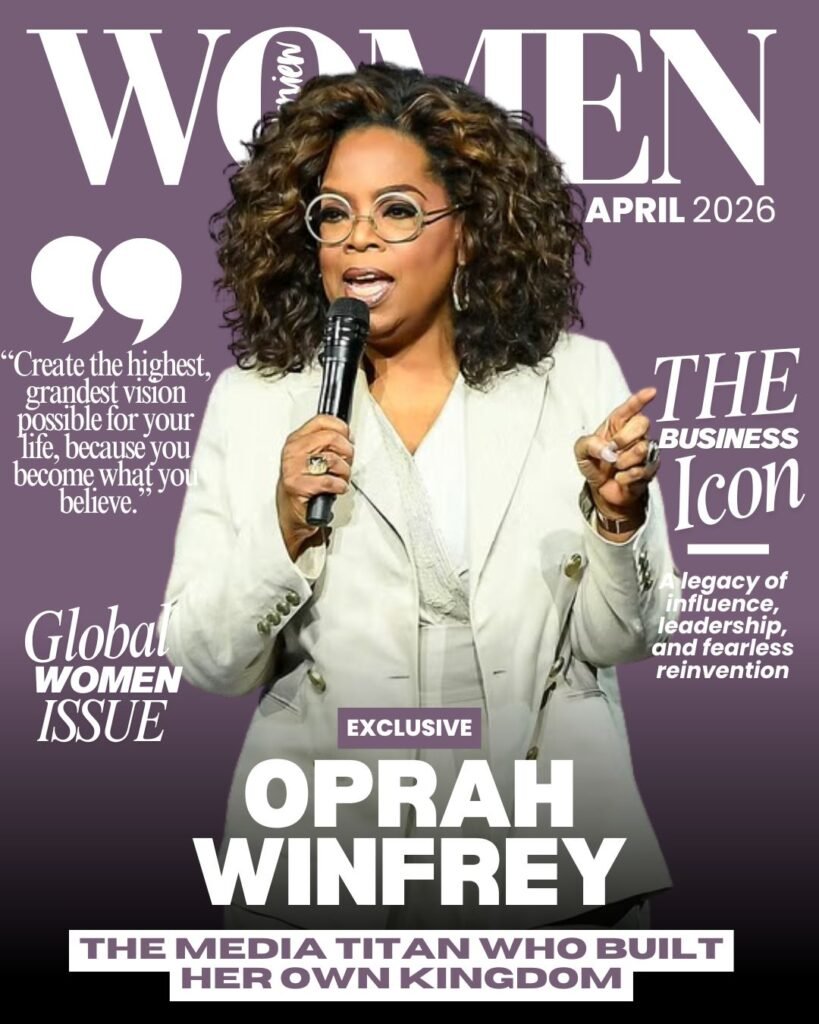

There are public figures, and then there are forces of nature. Oprah Winfrey belongs to the latter.
For decades, she has stood at the intersection of media, influence, empathy, and transformation, building a legacy that goes far beyond celebrity. She is not simply a television icon or a beloved interviewer. Oprah is a builder of platforms, a champion of stories, and a woman who redefined what power could look like when it is led by purpose. Her career spans hosting, producing, acting, publishing, philanthropy, and cultural leadership, making her one of the most influential figures in modern media history.
What makes Oprah extraordinary is not only the scale of what she built, but the way she built it. Her rise from a difficult early life into becoming the face of one of the most successful talk shows in television history is one of the defining stories of American media. The Oprah Winfrey Show ran in national syndication for 25 years, transforming daytime television and creating a format where emotional honesty, healing, self-discovery, and meaningful conversation could exist at the center of mainstream culture.
Yet Oprah’s influence was never confined to one stage.
Through Harpo Productions, she expanded from host to owner, producer, and media architect, proving that true legacy is built not only by being seen, but by owning the platform itself. Her work helped create a model for women in media who wanted more than visibility. She showed that authorship, leadership, and enterprise could live in the same woman, and that authenticity could be a business advantage rather than a limitation.
She also changed the way audiences engage with ideas. Oprah’s Book Club became more than a reading list. It became a cultural institution that elevated authors, shaped publishing trends, and brought serious literary conversation into millions of homes. Its impact has been so significant that even reference works on African American literature note Oprah’s role in sustaining and amplifying the popularity of contemporary writers.
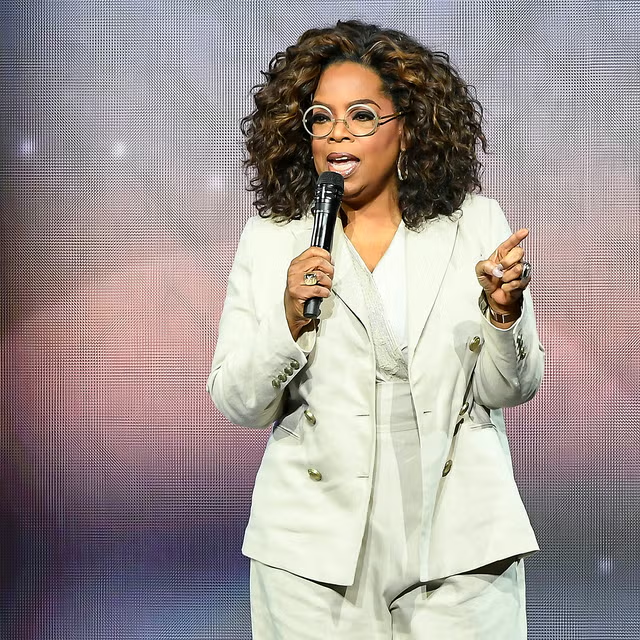
What has always separated Oprah from other media figures is her rare ability to make scale feel intimate. Whether speaking to a stadium, interviewing a world leader, or reflecting on personal growth, she communicates with a clarity that feels deeply personal. That is why her influence has endured across generations. She does not merely broadcast. She connects.
Her philanthropic work has carried that same sense of responsibility. Oprah’s charitable efforts have included the creation of Oprah’s Angel Network and the founding of the Oprah Winfrey Leadership Academy for Girls in South Africa, reflecting a long-standing commitment to education, opportunity, and empowerment. These initiatives have helped define her not just as a media mogul, but as a figure of lasting social impact.
Even now, Oprah remains culturally relevant because she continues to evolve without losing the essence of who she is. Her platforms, including Oprah Daily and her continuing interview and wellness work, show that her voice still matters in conversations around personal growth, culture, health, books, and meaning. Oprah Daily remains an active lifestyle and culture platform, while Oprah’s editorial and book-centered work continues to shape public conversation.
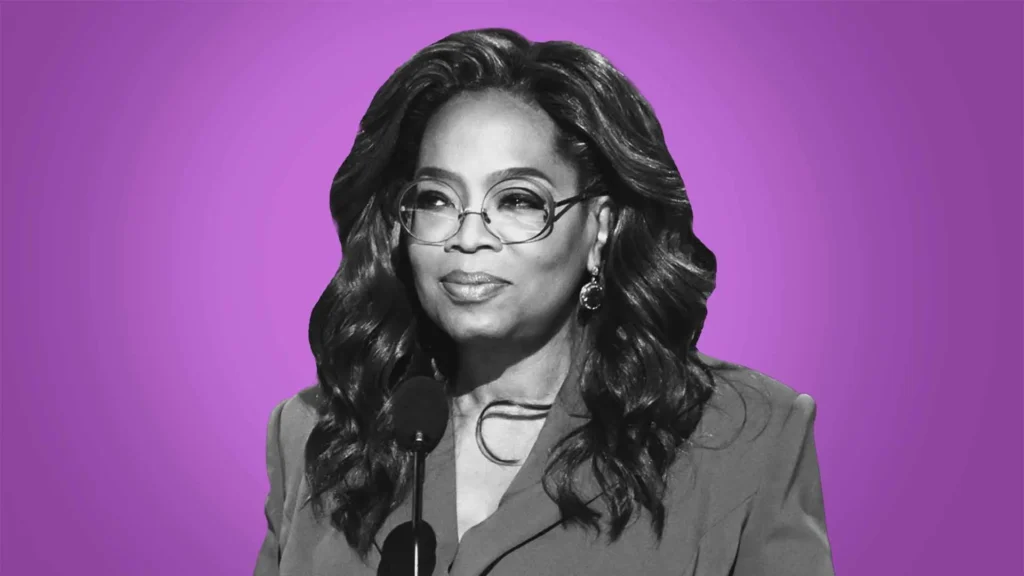
There is a reason Oprah Winfrey still commands global respect. She did not build her empire on noise. She built it on trust. On emotional intelligence. On consistency. On the ability to ask better questions than most people even know how to form. And in doing so, she created something few public figures ever achieve: influence that feels both deeply human and historically significant.
In every era she enters, Oprah remains unmistakably Oprah. Timeless, intentional, and impossible to overlook.
She is not simply one of the most famous women in media. She is one of the women who changed media forever.